

Infertility is more common than many couples realise. According to global data, 1 in 6 couples experience difficulty conceiving at some point in their reproductive years. When natural conception does not happen as expected, assisted reproductive techniques such as IUI (Intrauterine Insemination) and IVF (In Vitro Fertilization) are often recommended.
However, choosing between IUI vs IVF is not always straightforward. Both treatments serve different purposes, work in different ways, and are suited for different fertility conditions.
At Samrudh Fertility and Urology Centre, Bangalore, Dr. Indu Madhusudan and her team focus on helping couples understand these options clearlyso decisions are made based on medical need, not confusion or pressure.
This blog explains:
What IUI and IVF really involve
Who each treatment is best suited for
Success rates, costs, and timelines
Key differences between IUI and IVF
How doctors decide the right approach
Understanding IUI (Intrauterine Insemination)
Intrauterine Insemination (IUI) is one of the most commonly recommended first-line fertility treatments. It is a relatively simple procedure that increases the chances of fertilization by placing healthy sperm closer to the egg.
What Is IUI?
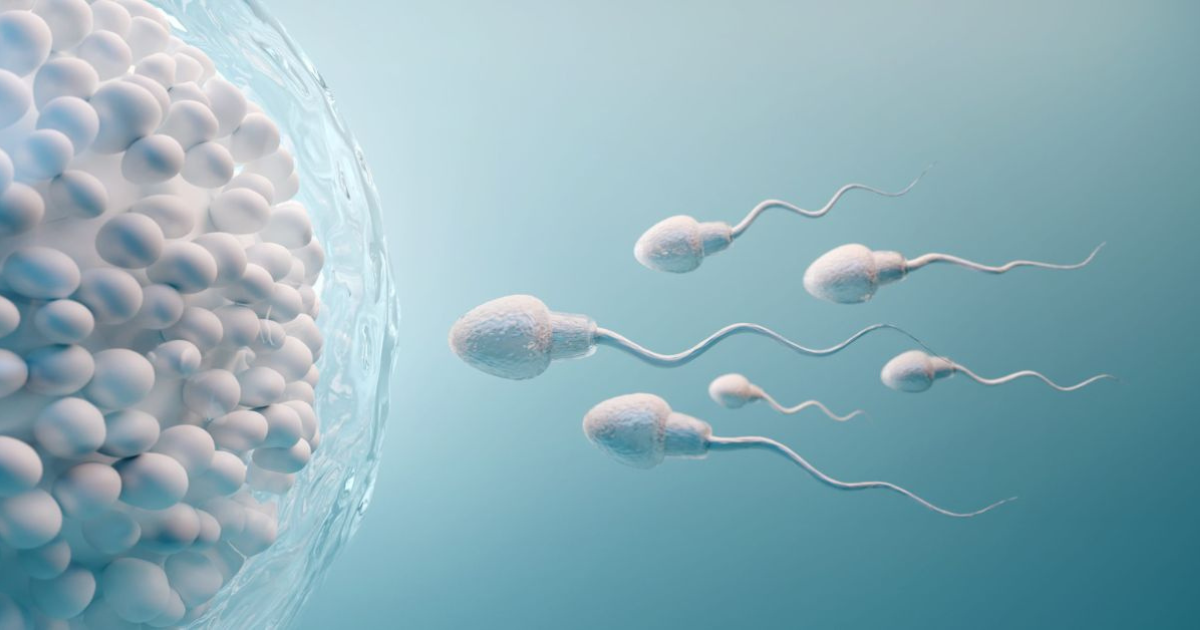
IUI involves placing processed and concentrated sperm directly into the uterus around the time of ovulation. This reduces the distance sperm must travel and improves the likelihood of fertilization.
When Is IUI Commonly Recommended?
IUI is usually advised in cases of:
Unexplained infertility
Mild male factor infertility
Cervical mucus issues
Ovulation irregularities
Couples trying to conceive for a shorter duration
Step-by-Step IUI Procedure
| Stage | What Happens |
|---|---|
| Ovulation monitoring | Natural or medication-assisted ovulation is tracked |
| Sperm preparation | Healthy, motile sperm are selected |
| Insemination | Sperm is placed into the uterus via a thin catheter |
| Recovery | Procedure is quick; normal activity resumes same day |
IUI is non-surgical, performed in a clinic setting, and usually completed within a single visit.
IUI Success Rates: What Does the Data Say?
IUI success depends on several factors such as age, diagnosis, and sperm quality.
| Factor | Average Success Rate |
|---|---|
| Women under 35 | 15–20% per cycle |
| Women 35–40 | 10–12% per cycle |
| Mild infertility cases | Higher success |
| After 3–4 cycles | Cumulative success improves |
Clinical insight:
IUI is often attempted for 3–4 cycles before considering advanced options.
Understanding IVF (In Vitro Fertilization)
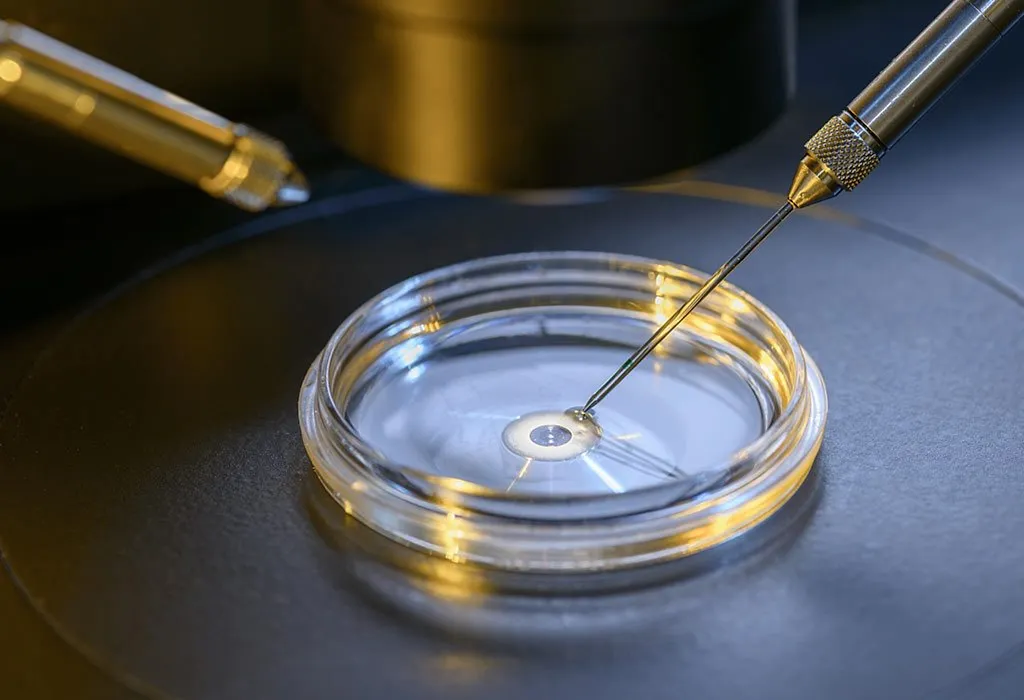
IVF (In Vitro Fertilization) is a more advanced assisted reproductive technique where fertilization happens outside the body, under controlled laboratory conditions.
What Is IVF?
In IVF, eggs are retrieved from the ovaries, fertilized with sperm in a lab, and the resulting embryo is transferred back into the uterus.
IVF allows doctors to:
Observe embryo development
Select the healthiest embryos
Bypass several biological barriers
Step-by-Step IVF Procedure
| Stage | What Happens |
|---|---|
| Ovarian stimulation | Hormones stimulate multiple egg development |
| Egg retrieval | Eggs are collected through a minor procedure |
| Fertilization | Eggs and sperm are combined (ICSI if required) |
| Embryo culture | Embryos are monitored for development |
| Embryo transfer | Selected embryo is placed into the uterus |
When Is IVF Recommended?
IVF is usually advised in cases of:
Severe male factor infertility
Blocked or damaged fallopian tubes
Endometriosis (moderate to severe)
Advanced maternal age
Repeated IUI failure
Reduced ovarian reserve
IVF Success Rates by Age
| Age Group | Average IVF Success Rate |
|---|---|
| Under 35 | 40–45% per cycle |
| 35–37 | 30–35% |
| 38–40 | 20–25% |
| Over 40 | Lower, depends on egg quality |
IVF success rates are influenced by embryo quality, uterine health, lifestyle factors, and clinical expertise.
IUI vs IVF: Key Differences Explained
| Feature | IUI | IVF |
|---|---|---|
| Complexity | Simple | Advanced |
| Invasiveness | Minimal | More involved |
| Cost | Lower | Higher |
| Success rate | Moderate | Higher |
| Time commitment | Short | Longer |
| Suitable for | Mild infertility | Complex fertility issues |
| Embryo selection | Not possible | Possible |
How Doctors Decide Between IUI and IVF
The decision is based on:
Fertility diagnosis
Age of the female partner
Duration of infertility
Previous treatment response
Overall reproductive health
At Samrudh Fertility, treatment plans are individualised, avoiding unnecessary escalation while ensuring timely care.
Common Questions Couples Ask
Is IUI always tried before IVF?
Not always. In certain conditions, IVF may be recommended directly based on medical findings.
How many IUI cycles are ideal?
Most specialists recommend 3–4 cycles before reassessment.
Is IVF more stressful than IUI?
IVF is more involved, but structured guidance and counselling help couples manage it better.
Why Personalised Guidance Matters
Fertility treatment is not one-size-fits-all. What works for one couple may not be suitable for another. Medical evaluation, transparent discussion, and step-by-step planning are key to improving outcomes.
At Samrudh Fertility and Urology Centre, Bangalore, couples receive:
Detailed fertility evaluation
Evidence-based treatment planning
Clear explanation of options
Ethical, patient-centric care
Conclusion: IUI or IVF – What’s Right for You?
Both IUI and IVF play important roles in fertility treatment.
IUI is often suitable for mild fertility concerns
IVF offers higher success in complex cases
The right choice depends on medical clarity, not guesswork. Consulting an experienced fertility specialist helps couples move forward with confidence and realistic expectations.