

Acupuncture has been used for thousands of years as a therapeutic practice in traditional Chinese medicine, and its relevance has grown rapidly in modern fertility care across India and the world. Many fertility specialists today recommend acupuncture alongside conventional treatments because research shows that it supports healthy ovulation, improves blood flow to reproductive organs, regulates hormones, reduces stress, and enhances the effectiveness of IVF cycles. As more Indian couples encounter delays in conceiving, acupuncture is becoming an important complementary approach that improves reproductive health for both women and men. This blog explores the science behind acupuncture, its benefits, the evidence supporting its effectiveness, and how it integrates with fertility treatment plans.
Understanding How Acupuncture Works in Fertility Enhancement
Acupuncture involves inserting very fine needles into specific points on the body to regulate the flow of energy, known as Qi. From a medical viewpoint, acupuncture stimulates nerve pathways, improves blood circulation, and triggers hormonal responses that benefit reproductive systems. Research has shown that acupuncture increases the release of endorphins, improves ovarian blood flow, enhances uterine lining development, and stabilizes the hypothalamic-pituitary-ovarian (HPO) axis, which is essential for ovulation and regular menstrual cycles. By reducing inflammation and promoting hormonal balance, acupuncture addresses both visible and hidden causes of infertility.
Benefits of Acupuncture for Female Fertility
Women struggling with conditions such as irregular cycles, PCOS, endometriosis, poor ovarian reserve, or unexplained infertility often see significant improvement when acupuncture is used consistently. Acupuncture helps by optimizing ovulation patterns, supporting egg quality, and improving the response to fertility medications in treatments like IUI and IVF. It also reduces stress-induced hormonal fluctuations, which is particularly helpful for women undergoing demanding fertility treatments. Many studies indicate that acupuncture enhances blood flow to the ovaries and uterus, which improves follicle development and supports implantation during IVF cycles.
Benefits of Acupuncture for Male Fertility
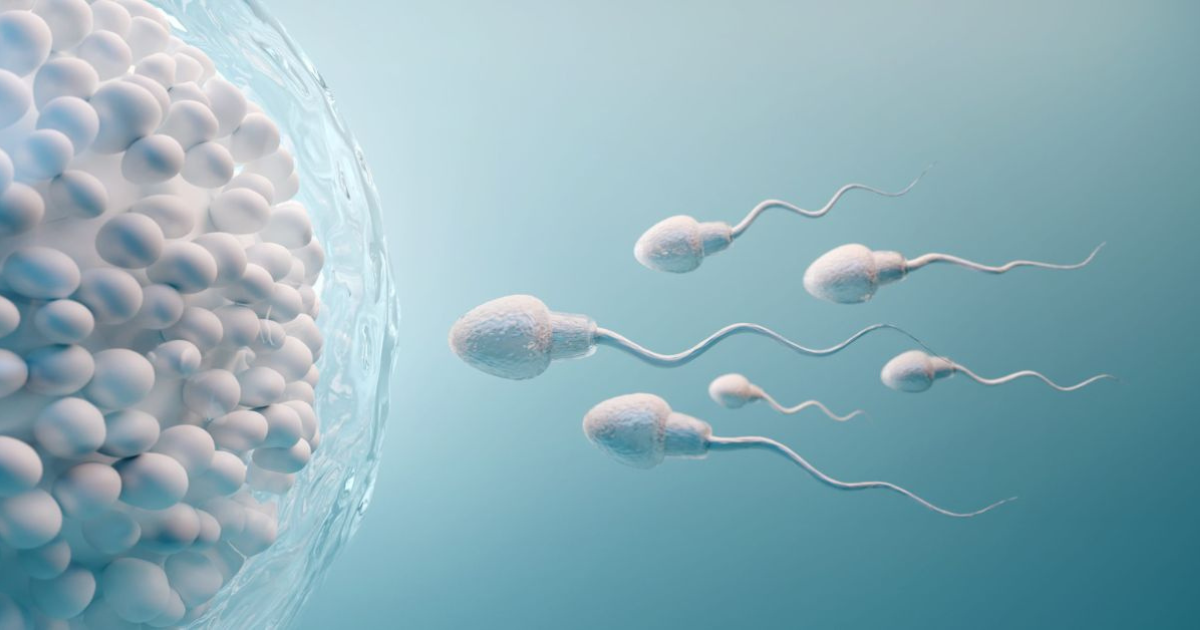
Male fertility issues account for nearly 40 percent of infertility cases among Indian couples, and acupuncture is increasingly used to support sperm health. Acupuncture stimulates testicular function, improves testosterone balance, and enhances blood circulation to the reproductive organs. Research has shown improvements in sperm motility, concentration, and morphology after a few months of treatment. The reduction in oxidative stress achieved through acupuncture also protects sperm DNA integrity, which plays a key role in fertilization and embryo development.
Conditions Acupuncture Can Improve in Fertility Treatment
Acupuncture offers benefits for a wide range of reproductive challenges. Women with PCOS often experience improved cycle regularity and reduced androgen levels, which support consistent ovulation. For women with endometriosis, acupuncture helps reduce inflammation and pelvic pain, creating a more favorable environment for embryo development. Those with high stress levels or sleep irregularities also benefit significantly, as acupuncture reduces cortisol and stabilizes the nervous system. Men dealing with low sperm parameters or hormonal imbalances may see better testicular function and improved semen quality over time.
| Fertility Condition | How Acupuncture Helps |
|---|---|
| PCOS | Improves ovulation, reduces insulin resistance, regulates hormones |
| Endometriosis | Reduces inflammation, supports uterine function |
| Poor ovarian reserve | Enhances ovarian blood flow and egg quality |
| Unexplained infertility | Improves hormonal and uterine environment |
| Male factor infertility | Enhances motility, count, morphology |
| Stress-related infertility | Reduces cortisol and promotes relaxation |
Evidence-Based Research Supporting Fertility Acupuncture
A growing number of studies highlight the measurable benefits of acupuncture in enhancing fertility outcomes. Several clinical trials have shown that women who undergo acupuncture before and during IVF cycles have higher implantation and pregnancy rates compared to women who do not receive acupuncture. Research published in international reproductive medicine journals suggests that acupuncture performed on the day of embryo transfer improves uterine receptivity by reducing uterine contractions and enhancing endometrial blood flow. Studies conducted in India have also observed improvements in sperm count and motility among men undergoing acupuncture as part of fertility treatment.
| Fertility Parameter | Improvement Observed |
|---|---|
| Ovulation regularity | 40–60 percent improvement |
| Uterine blood flow | Significant increase in endometrial thickness |
| Sperm motility | 20–35 percent improvement |
| IVF implantation rate | Increase of 10–15 percent |
| Stress and anxiety | Reduction of 40 percent or more |
Acupuncture During IVF: Why Specialists Recommend It
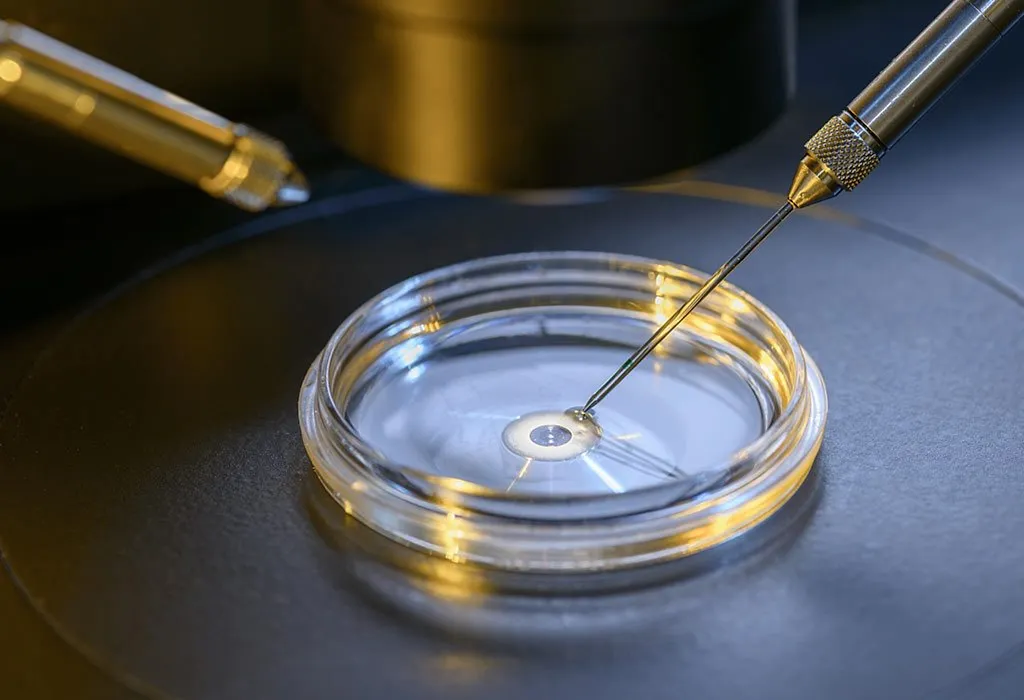
Acupuncture is widely integrated into IVF treatment plans because it supports multiple stages of the cycle. During ovarian stimulation, acupuncture helps improve follicular growth and supports the body’s response to hormonal injections. Just before egg retrieval, it enhances blood flow to the ovaries, which may improve the number and quality of retrieved eggs. Many clinics schedule acupuncture sessions on the day of embryo transfer because it calms the nervous system, relaxes uterine muscles, and supports better implantation conditions. After the transfer, acupuncture helps stabilize progesterone levels and reduces anxiety, giving the embryo a more nurturing environment to implant successfully.
What to Expect During a Fertility Acupuncture Session
Acupuncture sessions typically last between 30 and 45 minutes. The practitioner begins with an assessment of the couple’s fertility history, menstrual patterns, stress levels, and lifestyle factors. Very thin sterile needles are then inserted into specific points on the abdomen, legs, arms, or ears, depending on the issue being treated. Most individuals feel minimal discomfort, and many experience deep relaxation during the session. Treatment frequency varies but often ranges from one to two sessions per week over several months. Consistency is key because reproductive hormones and ovarian function respond gradually over time.
Lifestyle and Dietary Support Combined with Acupuncture
For best results, acupuncture is often paired with lifestyle modifications that further support reproductive health. A balanced diet rich in antioxidants, healthy fats, and whole foods enhances the body’s response to acupuncture. Adequate sleep, stress-management practices, and physical activity create an optimal internal environment for hormone regulation. Couples undergoing treatment are also encouraged to limit alcohol, smoking, and excessive caffeine intake, as these factors can hinder the benefits of acupuncture. When combined with medical treatment, acupuncture and lifestyle changes create a holistic approach that strengthens the chances of conception.
| Lifestyle Factor | Impact on Fertility |
|---|---|
| Antioxidant-rich diet | Supports egg and sperm quality |
| Consistent sleep patterns | Regulates hormonal function |
| Stress reduction practices | Improves ovulation and hormonal health |
| Reduced caffeine and alcohol | Supports reproductive balance |
| Regular moderate exercise | Enhances hormonal metabolism |
When to Consider Acupuncture During the Fertility Journey
Acupuncture can be beneficial for couples at any stage of their fertility journey. Those who have been trying to conceive naturally for over six months may consider incorporating acupuncture to support cycle regularity and reduce stress. Couples preparing for IUI or IVF often begin treatment a few months before the planned procedure to strengthen reproductive function in advance. Individuals experiencing repeated IVF failures, hormonal imbalances, or symptoms of stress may also find acupuncture helpful as part of a broader treatment plan. Early integration generally leads to better outcomes because it allows the body to respond steadily over time.
Conclusion:
Acupuncture combines ancient wisdom with modern scientific validation, making it a powerful complementary therapy for couples trying to conceive. Its ability to balance hormones, improve ovarian and uterine function, enhance sperm health, and reduce stress makes it an important addition to fertility care. As evidence continues to grow and more fertility specialists integrate acupuncture into their treatment plans, couples in India now have access to a holistic and scientifically supported approach that enhances their chances of achieving a successful pregnancy.
If you are considering acupuncture for fertility, consult with an expert acupuncturist and fertility specialist to create a treatment plan tailored to your needs. With the combination of modern medicine and ancient practices, acupuncture can play a vital role in your fertility journey.